

“As a city, it is always compelling. But every day in Mexico City, I give thanks that I am alive.”
— Alejandro Gonzalez Inarritu
So you’ve just landed in Mexico City…
Excellent! Welcome to the navel of the moon. Mexico City is layered, and it would be impossible to try and see everything within just one week. This guide exists to help you choose your own adventure, so to speak, so you can center your experience in Mexico City around your own interests. As you progress through this guide, feel free to pick and choose elements from various archetypes. Activities are only separated for ease of reading; nothing is stopping you from spending your afternoon at Museo Nacional de Antropología and ending the day in Zona Rosa (the city’s nightlife district). In fact, I suggest you do!
For the history buff
I will start with historical sites because it is my paramount personal interest and what I prioritized the most during my time in Mexico City. If you also enjoy history and would like to brush up on the Mexica before or during your trip, I cannot recommend Fifth Sun by Camilla Townsend enough.
Museo Nacional de Antropología
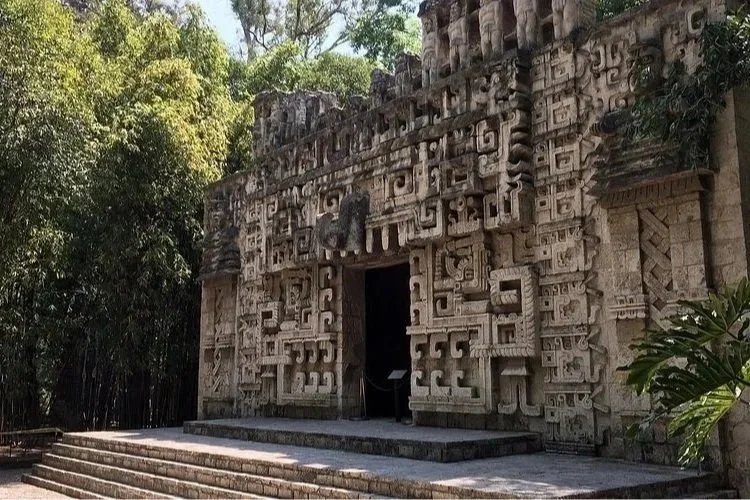
via TripAdvisor
The Anthropology Museum of Mexico is a must-visit for anyone. This massive site boasts twenty-two(!) permanent exhibition halls alongside rotating temporary exhibitions. The museum covers everything from archaeology, history, and environmental history of the land we today call Mexico. My favorite part of this museum was the outdoor areas. Walking through the Mexican and Mayan architecture while being immersed in the lush greenery of Chapultepec Park felt truly magnificent, and it evoked a feeling I’ve not experienced elsewhere.
Pro Tip: You need at least three hours for a substantial visit and at least two for a more relaxed visit. If you only have less than two hours, I suggest saving this for a day when you can take more time.
Sitio de Arqueológico de Teotihuacan
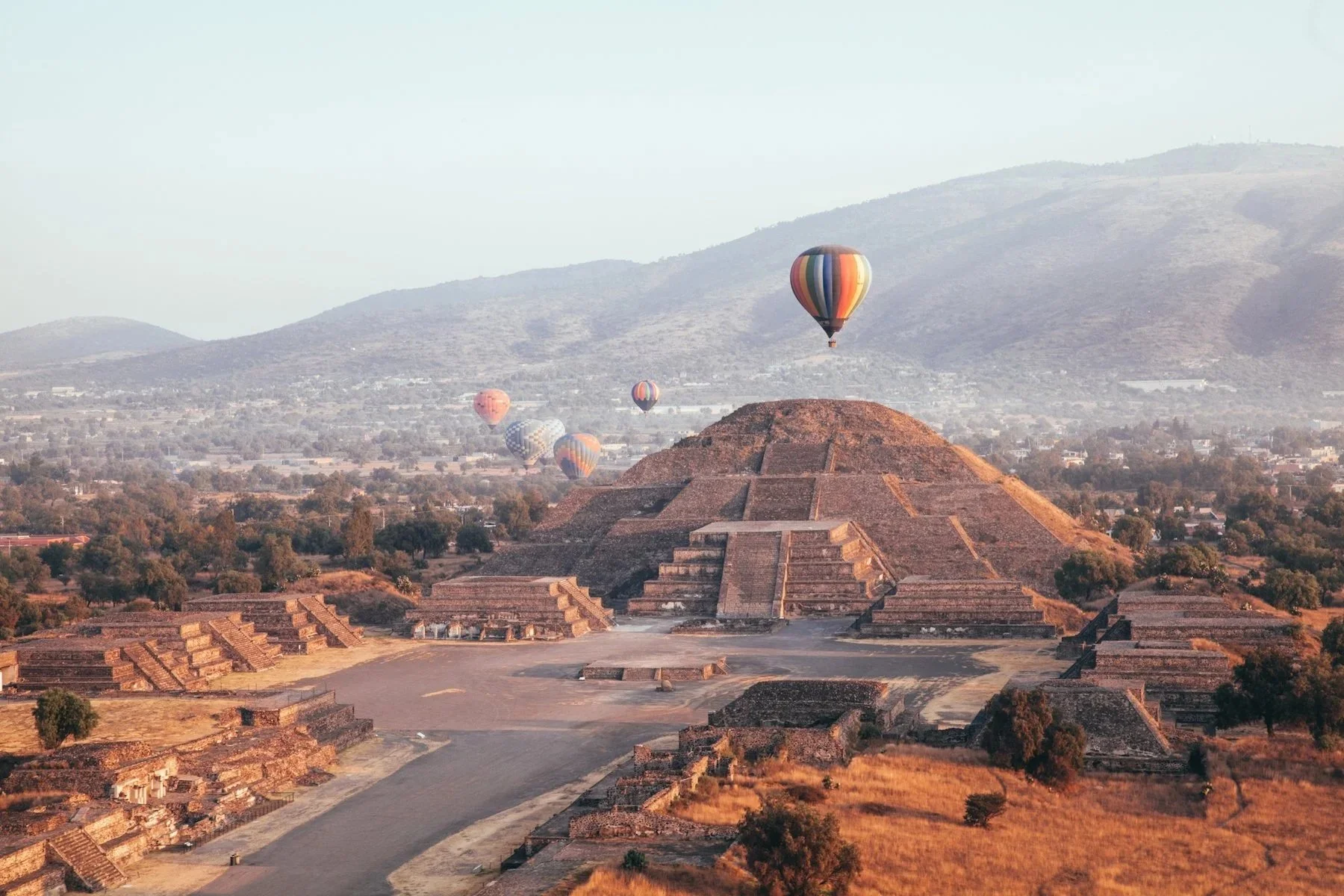
via World Monuments Fund (WMF)
The magnificent Pyramids of the Sun and the Moon tower over this ancient site, making even the tallest Dutch tourist feel like a niño. Most tourists are familiar with the iconic hot air balloon rides that you can do over this site, which deserve every ounce of attention they get. The site is large and deserves a full day of your time, so treat this as a day trip and not a regular activity. If you’re tight on time and have a liberal budget, I recommend booking an all-inclusive hot air balloon tour (but beware, you can only do these at sunrise, which is stunning, but early even for the most active traveler!). You can experience the balloons in the morning, explore the site in the afternoon, and still make it back to the city for your evening activities.
Pro Tip: Book a tour that includes transportation, since getting back from the site can be difficult if you rely on Uber or Didi.
Zócalo
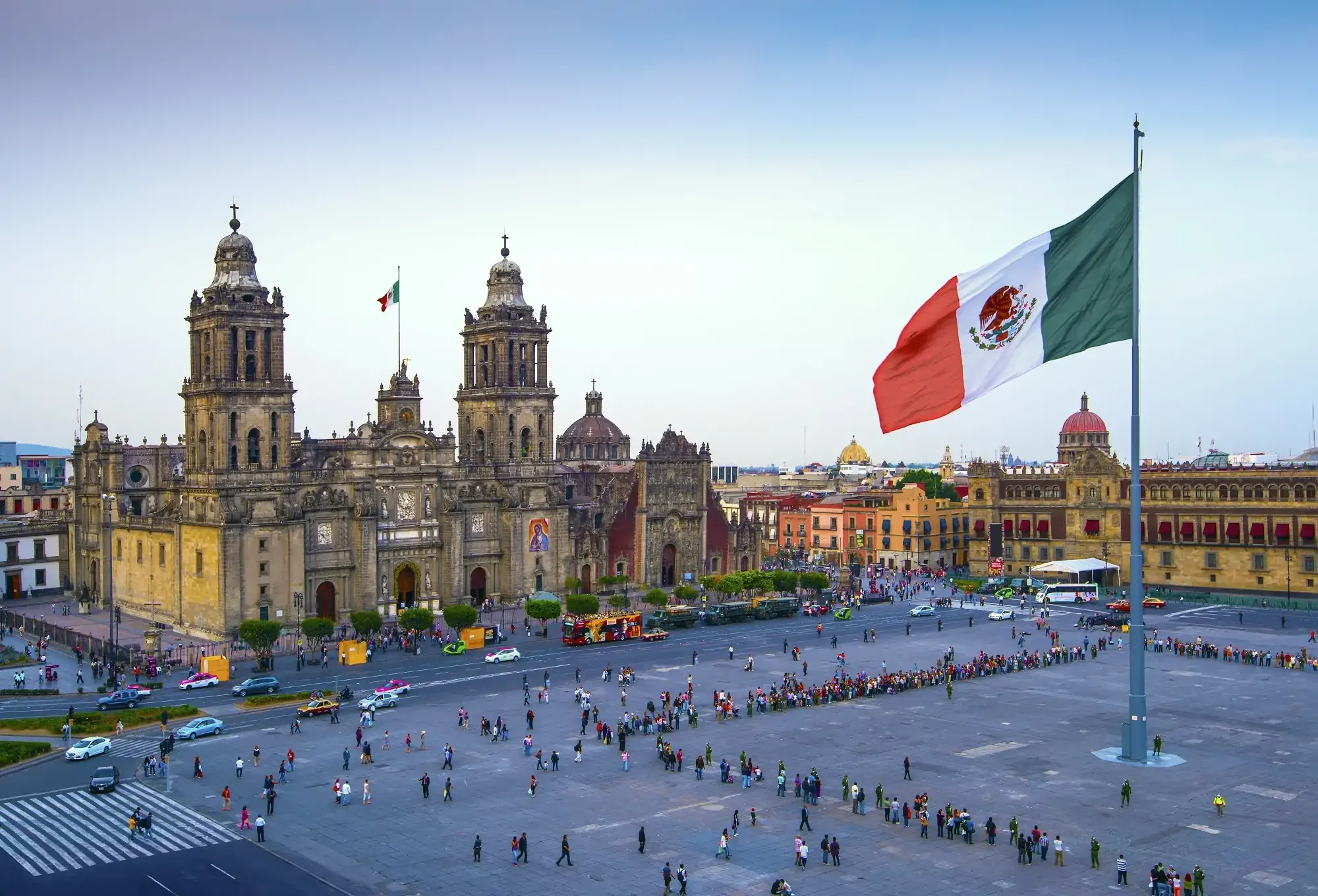
via OpenTable
El Zócalo is located in Mexico City’s historic center. Oddly, you may never go to Mexico City’s historic center if you do not make a point to. It took me until my second week before I went there, and only then did I go because of Día de Muertos festivities. Much of what you are looking for in Mexico City is concentrated in the Roma/Condesa/Juárez core, which is just west of Centro; therefore, you should make it a point to explore this neighborhood deeply for at least half of a day. Zócalo represents the historical heart of the ancient city of Tenochtitlan, and the connection to antiquity is palpable here. In the absence of one of its frequent public events, there is always life in the Plaza de la Constitución, and it is a great place to do some people watching.
Pro Tip: Walk with your hands in your pockets and watch your purse.
For the naturalist
Mexico City is probably the greenest city I have ever been to. If you truly love nature, you won’t have to search hard to scratch that itch. I have purposefully left out Chapultepec forest because it is the obvious answer, but that is not a condemnation. Consider this preface as my endorsement of Chapultepec; it's just that there are other incredible parks scattered around the massive city that deserve your attention, too.
Avenida Amsterdam and Parque Mexico
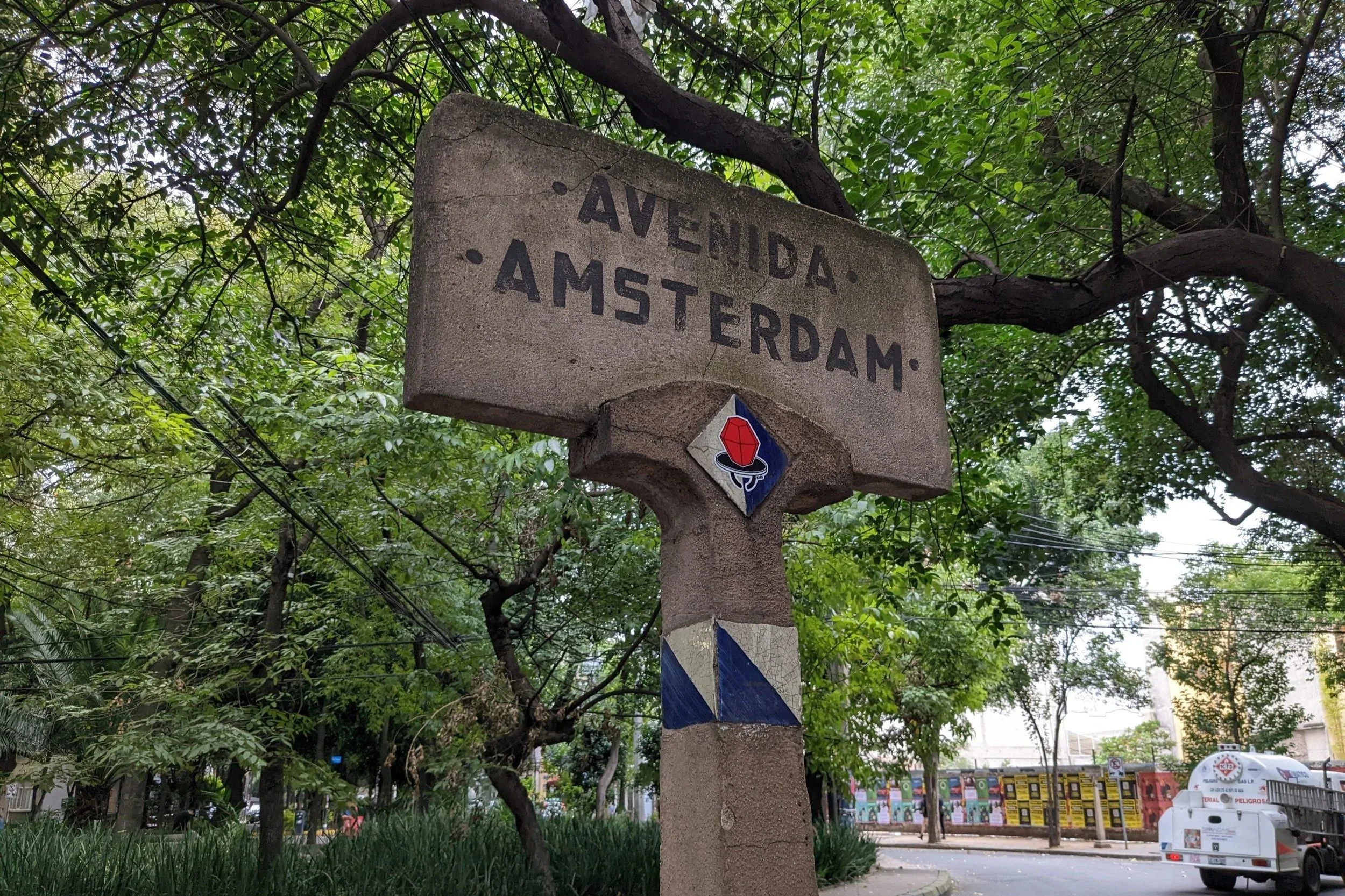
via Eternal Spring
Another must-visit for anyone coming to Mexico City. This stunning, grand park is located in Hipódromo, a neighborhood developed on the site of a former horse racing track. Instead of erasing the track’s footprint, planners incorporated its oval shape into Avenida Ámsterdam; a move that is emblematic of CDMX’s urban philosophy, if you think about it. There is a duck pond as well as a concrete plaza located in the center of the park. The benches are themed as miniature treehouse replicas, and sitting in one of these while surrounded by the lush greenery can truly transport you to a world far from Mexico’s beating metropolis.
Pro Tip: The smaller southern section is a designated dog park and can be quieter than the larger northern section.
Plaza Rio de Janeiro
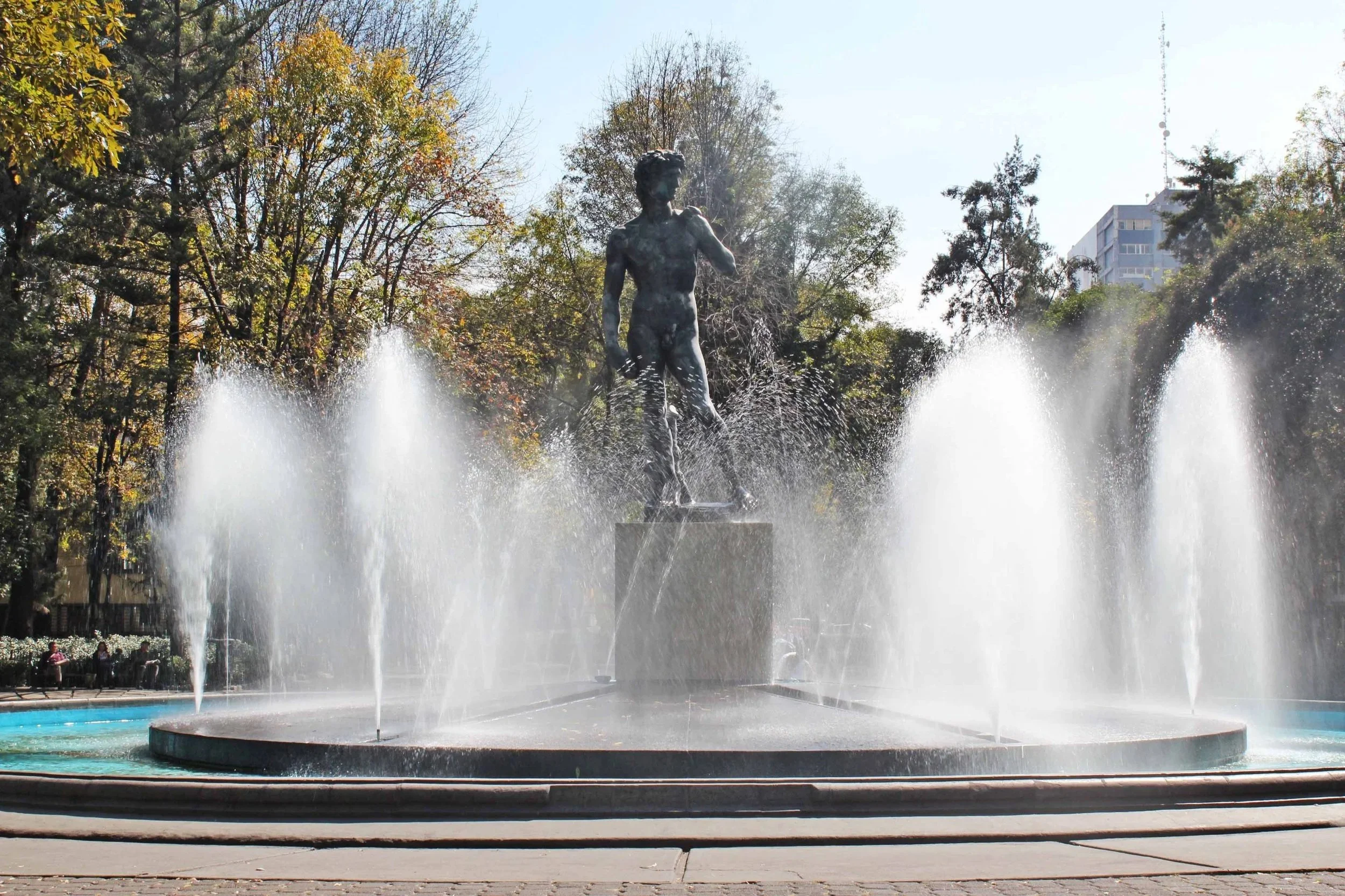
via Wikipedia
Plaza Río is a true hidden gem located in the heart of Roma Norte. It is a relatively small park and plaza compared to Parque México, but I feel the intimacy of this space contributes to its irreplicable charm. In the center of the plaza is a large replica of Michelangelo's David, which I remember finding surprising; what is a replica of a Renaissance-era sculpture doing here in Mexico? The longer I stayed in the city, the more of these cosmopolitan connections I made; for instance, Juárez's streets are named after places such as Turín, Liverpool, and Lucerna. This plaza is the perfect place to read a book, study Spanish by making small talk with strangers, or to simply exist. Since it is so small, there are not as many benches as there are people, so don't be afraid to sit on the white concrete sculptures in the west or to share a bench with someone.
Pro Tip: Have some cash in case you find yourself peckish; there are plenty of street vendors surrounding and sometimes within the park itself.
Cablebus 3
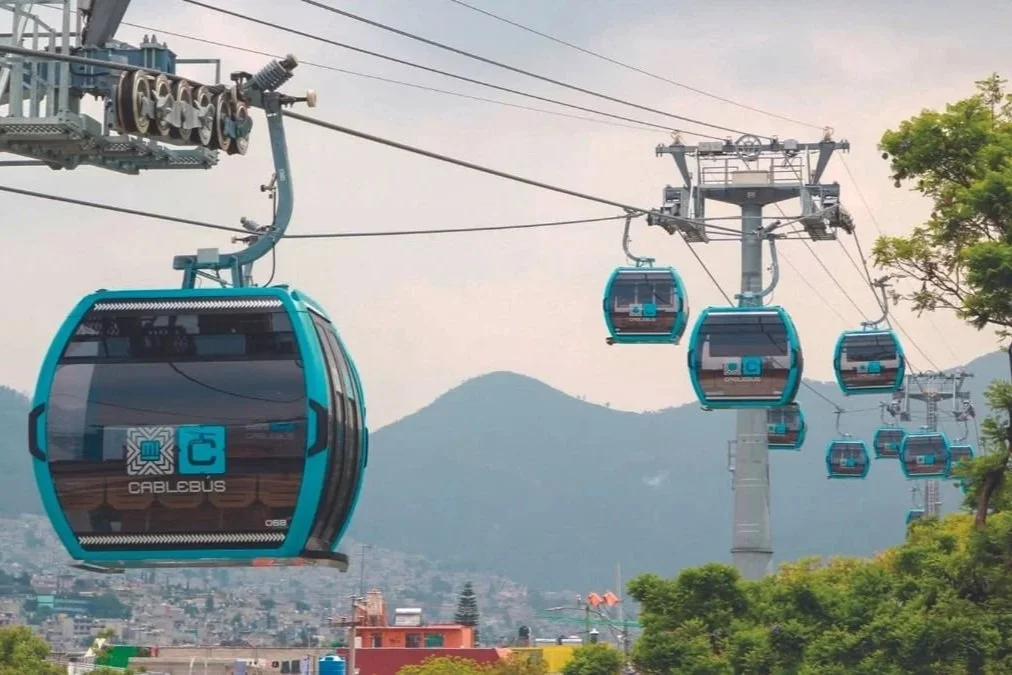
via México Desconocido
Hear me out. A cable bus that goes over the Chapultepec forest, taking you deep into a part of Mexico City you never would have otherwise seen, all the while providing dirt-cheap 360-degree aerial views. And it constantly moves, meaning every second that passes offers a unique perspective on the city. This was one of my favorite things I did in Mexico City. If you have an hour to kill, absolutely do this. Get off the metro at Constituyentes and walk a short distance to the cablebus.
Pro Tip: You have to pay for both ways, so once you reach the end, get off, walk down, and tap back into the station.
For the urbanist
The urbanist is me, I am the urbanist. Mexico City is a wonder of urban design. The city’s streets are unpredictable and give the feel that they were once organic footpaths (whether true or not I am uncertain). Despite being interesting, though, Mexico City’s urban infrastructure is not without its problems. The endless traffic is truly dreadful, and you still cannot drink directly from the faucet. From wide avenues to distinct neighborhood identities and a surprisingly well-connected public transportation system, CDMX is the urbanist’s wet dream.
Metro and Metrobús
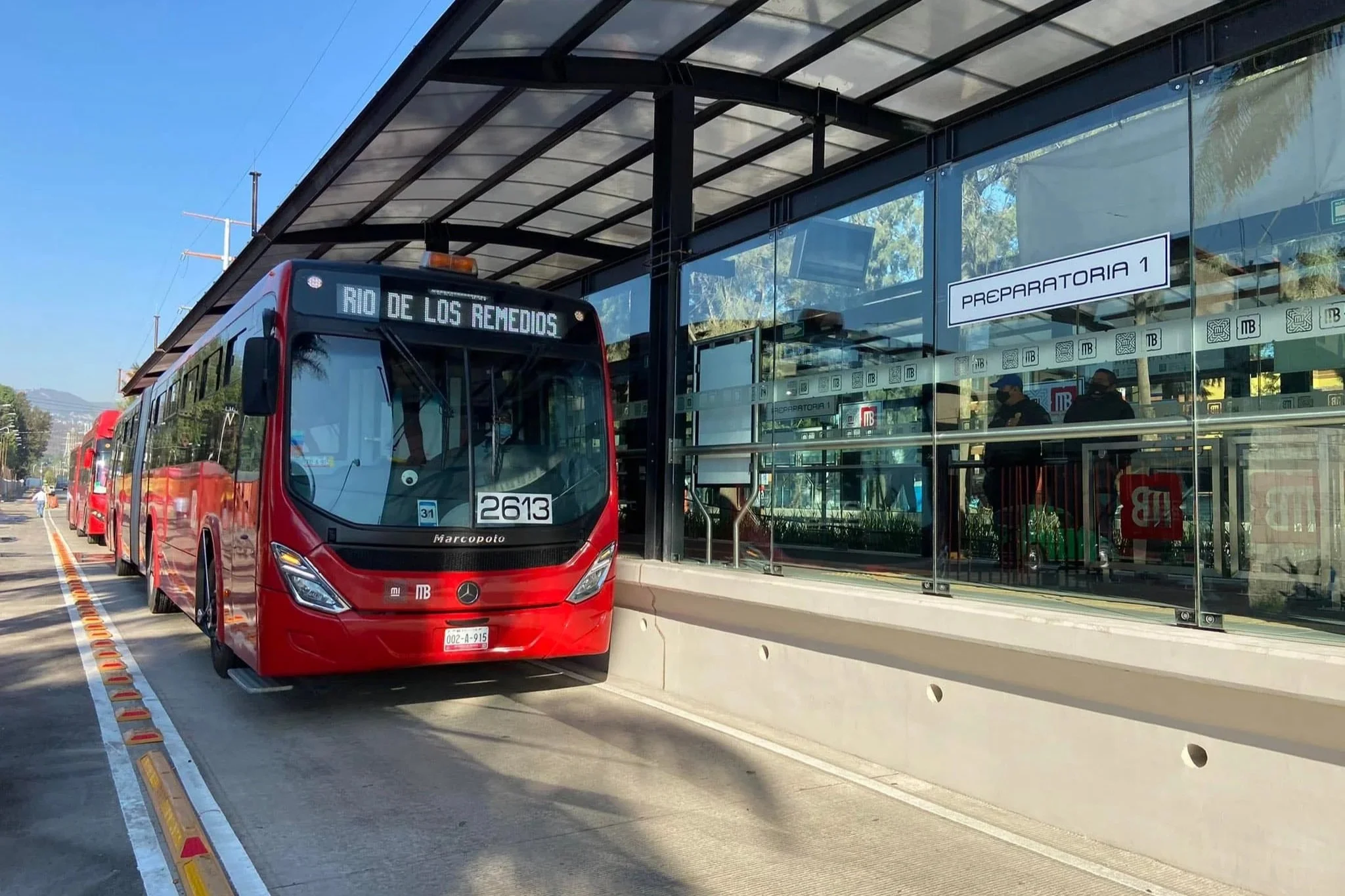
via Wikipedia
Mexico City’s metro system is expansive, convenient, and quite safe. What sets it apart from, say, New York’s metro is the seamless integration of Metrobús. Metrobús is exactly what it sounds like: a metro that is a bus. It looks like a metro, operates at a similar frequency and reliability, and transfers are often seamless between the two (though you do pay separate fares, even when transferring). Technically, Metrobús is BRT (Bus Rapid Transit), a type of public transportation that is becoming increasingly popular in developing countries. The Metrobús has dedicated lanes and stations as intuitive as its metro counterparts, which allow for the system to run with precision, despite sometimes relying on traffic lights and shared lanes. If you plan to take public transit (and I highly recommend you do because it is often significantly faster than sitting in the city’s nonstop traffic), be sure not to skip Metrobús.
Pro Tip: Check driving times compared to transit times; public transportation is often faster and can be more reliable than finding a rideshare.
Paseo de la Reforma
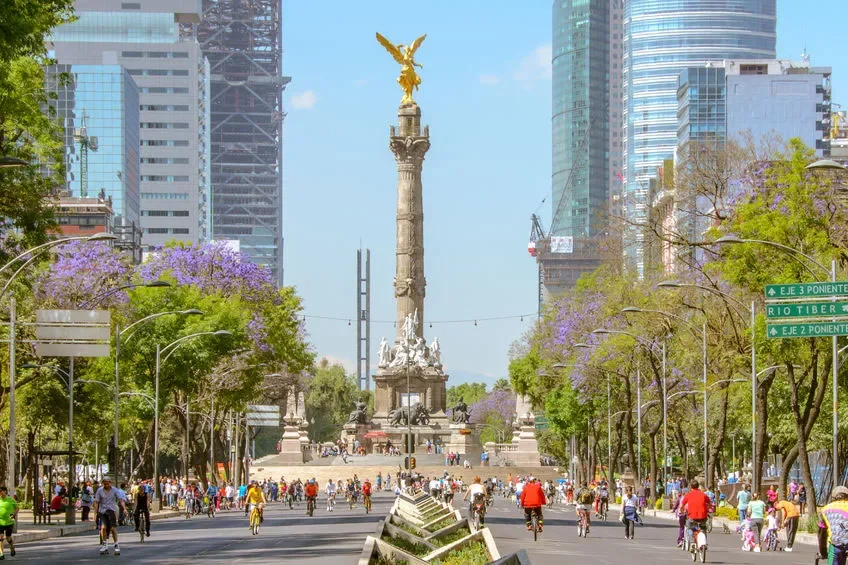
via Moon Travel Guides
This broad, 14,7-kilometer (9.1-mile) avenue is one of Mexico City’s main commercial corridors. In fact, if you plan to stay at a four- or five-star hotel, chances are you are staying at a Reforma address. This avenue contains the iconic golden angel sculpture, El Ángel de la Independencia, so you may naturally end up here on a photo tour too. Begin your stroll from the Chapultepec area and you will run into several of Mexico City’s most iconic shops and restaurants. Parts of the avenue contain broad pedestrian paths in addition to regular sidewalks, and traffic circles punctuate its route every few blocks. You can easily spend an entire day wandering and exploring the area around Reforma.
Pro Tip: The Metrobus Green Line (7) runs down Reforma, so if you’ve reached 10,000 steps before noon like I so often did in CDMX, enjoy the ride from a window seat.
Hipódromo
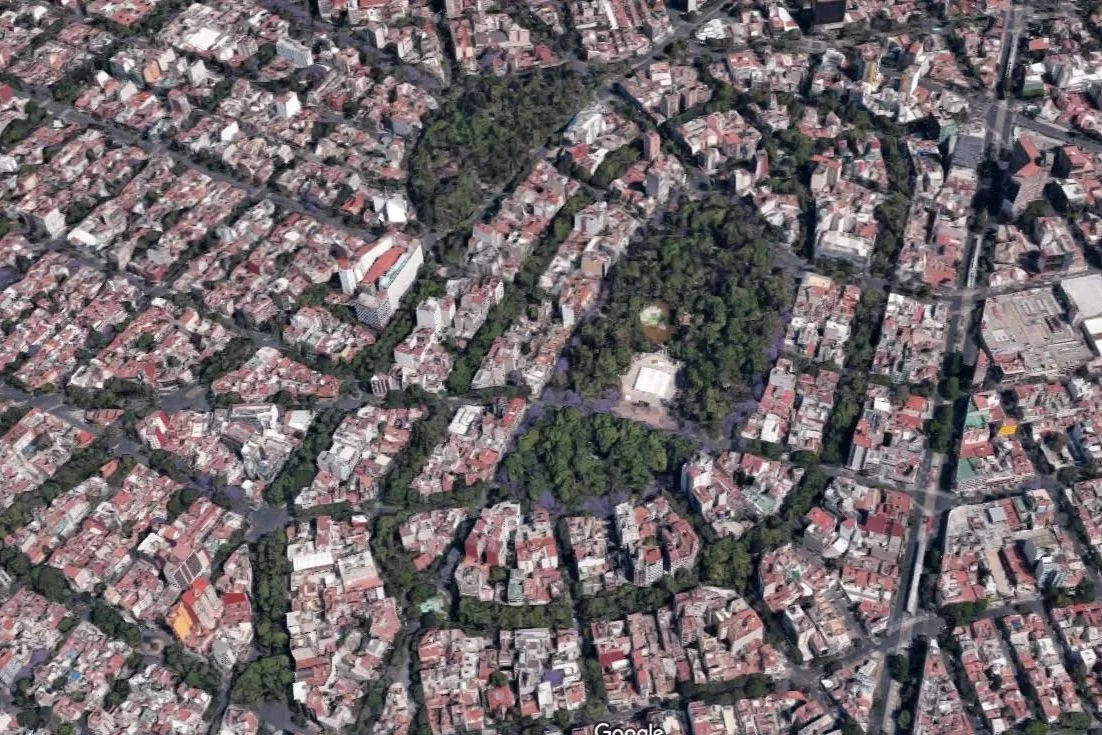
via Guía de México
As previously mentioned, the neighborhood that is now Hipódromo was developed on the site of a former horse racing track. This is a quieter, affluent neighborhood that contains everything from viral frozen yogurt (à la Myka) to smoke shops, European-style cafés and everything in between. What struck me most about this neighborhood was the kindness of its people. Despite being affluent, people here are warm and willing to talk with you. I was in Mexico City learning Spanish, and I noticed that people in Hipódromo, specifically around Parque México, were more willing to speak slowly and at an elementary level with me than in other neighborhoods like Polanco or Roma Norte. Aside from the congeniality, this neighborhood is truly a wonder of urban design, especially if you appreciate deliberate urban development and infrastructure repurposing.
Pro Tip: The best cafes are not in la Condesa but in Hipódromo. Don’t trust me? Test the theory yourself and let me know how it goes at chris@anziotravel.com.
For the foodie
Mexico City is, unequivocally, a food city. The truth is, many of the best taco and churro spots are stands on the corner of the road, and there is a lot of fun in experimenting, so I suggest you try as many puestos de comida as you can - they are also incredibly cheap! Nonetheless, there are two sit-down restaurants that I believe you just have to visit during your time in the city.
La Once Mil - Miguel Hidalgo y Roma Norte
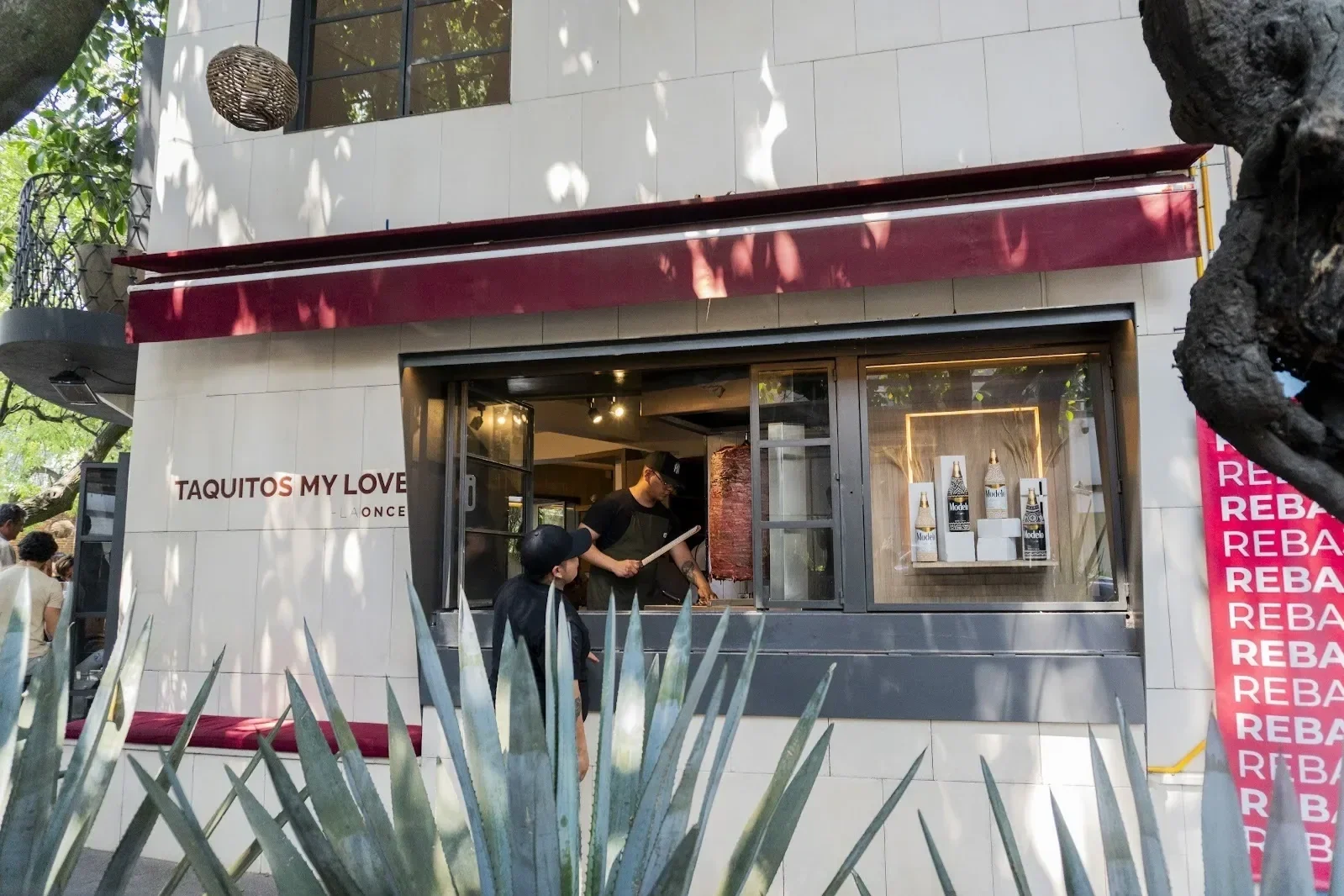
via MyRSVP
La Once Mil is on every CDMX foodie list and it deserves its place. Their meats are perfectly cooked, and their salsas are the stuff of legends. Both locations are very popular among locals and tourists alike, so prepare to wait for a table… although it will be well worth it, as waiting is part of the fun at this gorgeous property tucked in a residential neighborhood of the Chapultepec forest. The Miguel Hidalgo location proudly holds a Michelin star.
Order: Trompo de Picaña y Sirloin Black Angus, Tostada Atún Picante
Pro Tips: GO CRAZY WITH THE SALSAS! And alcohol is not served here after 1700.
Comedor Jacinta - Polanco
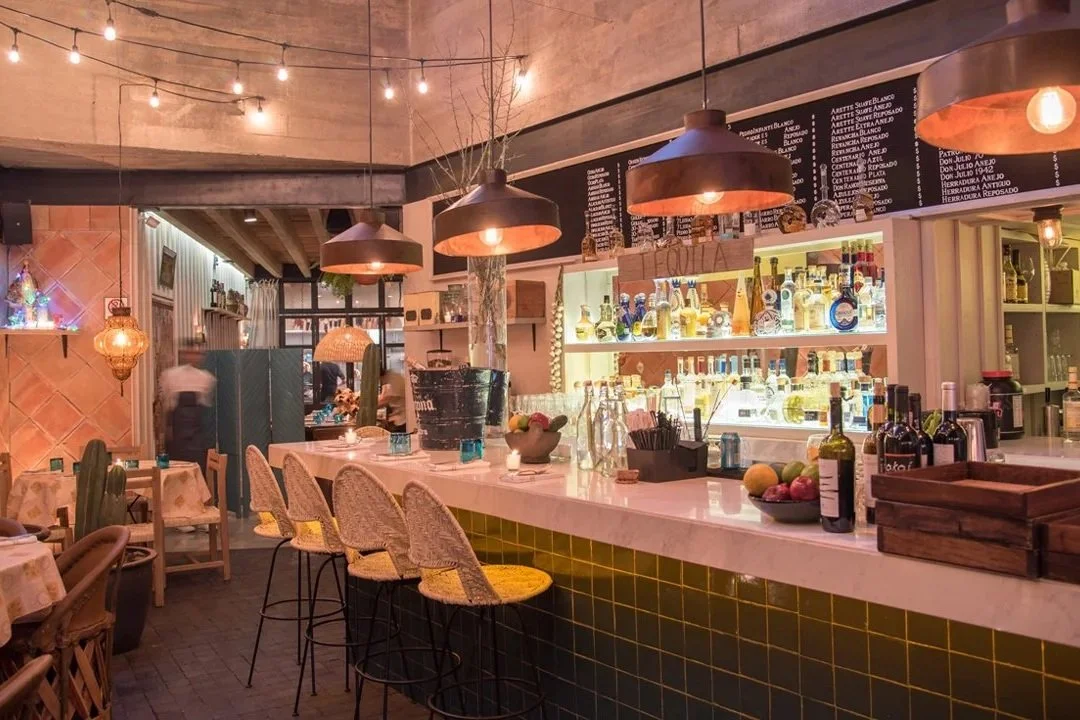
via Forbes México
Comedor Jacinta is located just steps from Parque Lincoln in the opulent neighborhood of Polanco. As a foreign tourist in Mexico City, you would be remiss to skip out on this neighborhood, as it is notorious for its grand architecture and expat population. Polanco has long been affluent, but redevelopment continues to reshape it, and socioeconomic stratification is acutely visible (especially if you’re coming from Centro or Doctores). For whatever it is worth, incredible restaurants have moved into the neighborhood over the years, with Comedor Jacinta being the crown jewel. The restaurant was not crowded when I visited on a Thursday evening, and I haven’t seen too much talk about long waits, but keep in mind that this is a Michelin Bib Gourmand restaurant in a very popular neighborhood.
Order: Arrachera
Pro Tip: Digest your food with a stroll down Parque América or through the adjacent Parque Lincoln.
Bonus: For the adventure seeker

via Condé Nast Traveler
Lucha Libre
Lucha Libre is Mexico’s version of WWE. The fights are entirely scripted, and Mexican culture leans deeply into the lore of its wrestlers. There are heroes, who play strictly by the rules and often appear more choreographed and somewhat graceful in their fighting style. The heroes fight against villains, who are far more provocative and notorious cheaters. The story is easy to follow and truly immersive even without any background. I knew nothing about Lucha Libre before my experience (aside from the iconic masks, which you can purchase outside or inside the arena), and I left with a newfound curiosity. As someone with little to no interest in sporting events, I regard Lucha Libre as the favorite activity I did in Mexico City. Tickets are wildly cheap, even by Mexican standards.
Pro Tip: Sit on the floor if you can, the energy is unbeatable.
Conclusion
It is impossible to visit Mexico City and not immediately fall in love. The city's infrastructural weaknesses are far outweighed by its grandeur, character, and seemingly endless opportunities for discovery. Still, Mexico City faces real problems. Public safety is far from perfect, air pollution is a persistent concern, and gentrification continues to reshape neighborhoods and displace longtime residents in favor of wealthy newcomers and affluent commercial activity. It is important for any traveler to remain conscious of these realities, particularly when enjoying the comforts of the city's more prosperous neighborhoods.
However, it is equally important not to allow these shortcomings to overshadow everything that makes Mexico City extraordinary. There are few places where so much history, culture, and everyday life intersect so effortlessly. After almost three weeks in the city (including many, many extensions), I was devastated to leave, feeling as if I was leaving so much behind. I hope that this guide has helped you to understand the layered character of Mexico City. This is not a city to be conquered through a rigid itinerary, but one to be savored, and inevitably, a place you’ll find yourself longing to return to.
